
Does your garage door make loud noises, not open, or move in a strange way? Most of the time, the springs on your garage door are the problem. These springs are needed for the machine to work safely and smoothly. Your garage door could become heavy, dangerous, or even stop working completely if you don’t have them.
This guide will teach you how to safely change the springs in your garage. We will go over every step, from learning about the different types of springs to testing your door after you put in new ones. This guide will help you decide whether you want to do it yourself or know when to get help.
1. Understanding Garage Door Springs
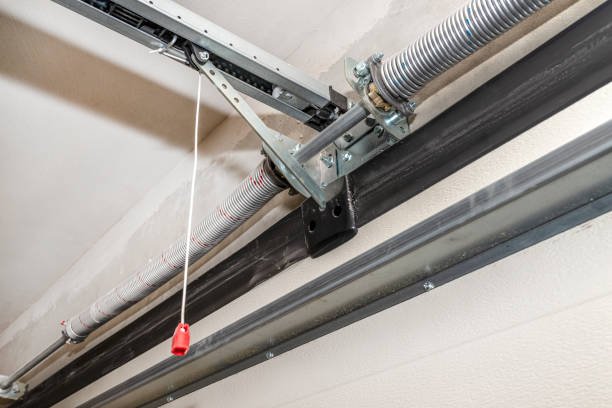
The two main types of springs for garage doors are torsion springs and extension springs.
Torsion springs are attached to a metal bar above the garage door, called a garage door torsion bar. They twist to store energy, and many modern garage doors have them.
Extension Springs: These are on the sides of the door and stretch as the door opens and closes. The stretched spring gives them tension, which helps lift the door.
Before you try to fix something, you need to know what kind of spring it is. Using the wrong method can be dangerous.
2. Signs You Need Garage Spring Replacement
How can you tell if your garage spring is broken? Look for these common signs:
- The door sags or feels very heavy.
- Loud bangs or creaking noises when the door moves.
- The door opens unevenly or only halfway.
- Visible gaps in the spring or a broken coil.
It can be dangerous to ignore these signs. Springs that are broken can snap at any time and hurt you badly. It’s time to replace or fix the springs on your garage door if you see any of these signs.
3. Tools You Will Need for Garage Spring Replacement
Before starting, make sure you have the right tools. Safety is critical.
Essential tools include:
- Winding bars for torsion springs
- Socket set and wrenches
- Safety glasses and gloves
- Ladder
- Lubricant for springs
4. Step-by-Step Guide to Replacing Garage Door Springs

Step 1: Ensure Safety First
Safety is the most important part.
- Disconnect the garage door opener from power.
- Wear safety glasses and gloves.
- Keep children and pets away.
Even small mistakes can cause serious injury when working with springs. Always prioritize safety.
Step 2: Identify Spring Type
Look at your springs carefully.
- If they are mounted on a metal bar above the door, they are torsion springs.
- If they are on the sides and stretch, they are extension springs.
Step 3: Release Spring Tension
For torsion springs, you must release tension with winding bars carefully.
- Insert bars into the winding cone.
- Slowly release the tension one turn at a time.
Extension springs usually have a safety cable and can be removed by detaching hooks at each end.
Safety Tip: Never attempt to release torsion springs without proper tools. Injuries can be severe.
Step 4: Remove Old Spring
Once tension is released, you can remove the old spring:
- Torsion springs: Loosen set screws, slide the spring off the bar.
- Extension springs: Unhook from brackets and safety cables.
Dispose of broken springs safely.
Step 5: Install New Spring
Now, it’s time to install the new garage spring:
- Slide the new torsion spring onto the bar. Tighten set screws.
- For extension springs, hook the ends to the brackets and attach safety cables.
- Adjust tension carefully.
Test the spring by manually lifting the door slightly to check the balance.
If this process feels risky, Barnes Garage Door Service can replace your springs quickly and safely. Contact us today!
Step 6: Test Your Garage Door
After installation, check:
- The door opens and closes smoothly
- Springs are balanced and quiet
- Safety sensors work properly
If anything feels off, stop and adjust tension carefully.
5. Garage Door Spring Maintenance Tips
To prevent future issues, maintain your garage door springs regularly:
- Apply lubricant to coils and moving parts every 6 months.
- Inspect springs for gaps, rust, or wear.
- Tighten bolts and check the alignment of the door.
Regular maintenance extends the life of your springs and keeps your door safe.
6. Costs and Where to Buy Garage Door Springs
The cost of garage door spring replacement varies by type and size:
- Torsion springs: $30–$60 each
- Extension springs: $15–$40 each
Buy from trusted sources:
- Local hardware stores
- Online retailers like Home Depot or Lowe’s
- Professional suppliers of garage door torsion springs
7. DIY vs Professional Garage Door Spring Replacement
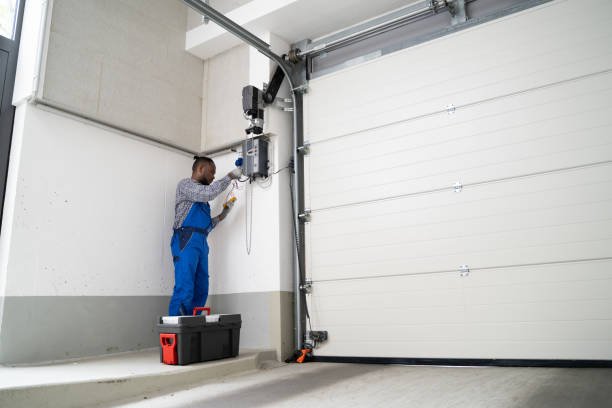
Replacing garage springs yourself can save money, but it is risky:
- DIY risks: Springs are under high tension and can cause serious injury.
- Professional service: Technicians like Barnes Garage Door Service have the tools and experience to do it safely.
Always call a professional if:
- You have no proper tools
- Your springs are torsion type
- You feel unsafe performing the replacement
8. Your Next Steps for a Reliable Garage Door
Changing the springs on your garage door might seem hard, but it’s not too hard if you have the right tools and know how to do it. Always put safety first and check your springs often.
If you’re not sure, Barnes Garage Door Service and other professional services are the safest bet. We can quickly, reliably, and cheaply fix or replace your garage door springs.
Check that your garage door is safe, works every time, and opens and closes smoothly. Don’t put off fixing things until spring break.
If you need help replacing or fixing your garage springs, call Barnes Garage Door Service right away.
FAQs
Q1: How do I know if my garage spring is broken?
Check for sagging, uneven movement, loud noises, or visible gaps in the spring.
Q2: Can I replace garage springs myself safely?
It is possible with proper tools and training, but torsion springs are dangerous. Call a professional if unsure.
Q3: How much does garage door spring replacement cost?
Torsion springs cost $30–$60, and extension springs $15–$40 each. Labor costs may apply.
Q4: Where can I buy quality garage door torsion springs?
Buy from local hardware stores, online retailers, or professional suppliers.
Q5: What tools do I need for garage spring replacement?
Winding bars, sockets, wrenches, safety glasses, gloves, and lubricant.
Q6: How long do garage door springs last?
Typically, springs last 7–10 years, depending on usage and maintenance.
Q7: How do I adjust torsion springs on my garage door?
Use winding bars and adjust slowly, following the manufacturer’s instructions.

Add a comment