
The Foundation of a Safe and Reliable Garage Door
A professional garage door installation is the only correct way to ensure your garage door operates safely, efficiently, and for the long term. Proper installation not only improves security and energy efficiency but also prevents early wear, noise, and costly repairs. Every part, from the springs and tracks to the opener and panels, must be installed with precision and balance. That level of accuracy can only be achieved by trained and certified garage door technicians using the right tools and methods.
If you try to install the door yourself, many problems can happen. The door may not line up correctly, the opener might stop working, or the spring could break. A professional installer makes sure your door works perfectly from the first day. They balance the system, tighten the right parts, and follow all safety rules. No matter what kind of door you choose, whether it is sectional, roll-up, or insulated, professional installation keeps your door and your family safe.
This guide will help you understand what to do before and after installing a garage door. You will learn how to choose the best door for your home, what to expect during installation, and how to keep your door working for many years. The steps are simple and easy to follow, even if you are not a technical person.
By the end of this article, you will see why hiring garage door experts is the smartest choice. It is not just about getting help; it is about keeping your home safe, reliable, and comfortable for a long time.
Phase 1: Planning and Selection — Choosing Your System
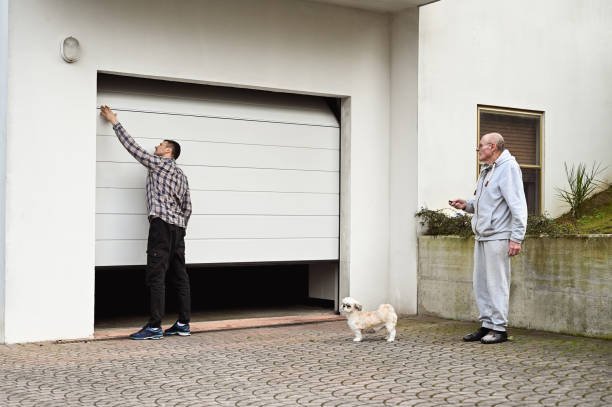
Before you start, you need a good plan. A well-planned garage door installation makes sure your door fits perfectly, works smoothly, and lasts longer. Let’s see how you can plan your new system.
1. Assessing Your Needs and Space
Start by measuring the size of your garage opening. Make sure there is enough clearance for the door to move easily.
Also, think about your local climate. If you live in a hot or cold area, choose a door with good insulation (R-value) to save energy and keep your garage comfortable all year round.
2. Choosing the Right Garage Door Type
Which type of garage door is best for your home? The two most common are sectional doors and roll-up doors.
- Sectional doors are popular in residential homes. They are easy to operate and maintain.
- Roll-up doors are often used for commercial spaces. Proper installation can help you avoid future roller door repairs.
Now, let’s talk about materials. You can choose from steel, wood, aluminum, or fiberglass.
Steel doors are strong and low-maintenance. Wood doors look beautiful but need more care. Aluminum is light and rust-free, while fiberglass gives a modern look.
3. Selecting the Opener System
Next comes the garage door opener. There are three main drive types: belt drive, chain drive, and screw drive.
Each one has its pros and cons.
- Belt drive is quiet and great for attached garages.
- The chain drive is strong and affordable.
- Screw drive works smoothly and needs less maintenance.
Also, look for smart features like Wi-Fi control, battery backup, and secure access codes. These make your garage door easier and safer to use.
A professional garage door opener installation ensures your opener works properly and lasts longer. Poor installation can lead to early garage opener repair or garage door opener repair needs.
4. Finding the Right Partner
Now it’s time to find a trusted garage door company. Search for professional garage door services near you and compare their experience, licenses, and insurance.
Look for garage door experts who offer full installation, repair, and maintenance.
If you want safe and long-lasting results, contact our garage door service team. We are experts in garage door installation, repair, and opener setup.
A reliable local provider can also help with future garage door repairs or tune-ups when needed.
Phase 2: The Professional Installation Process — Step-by-Step
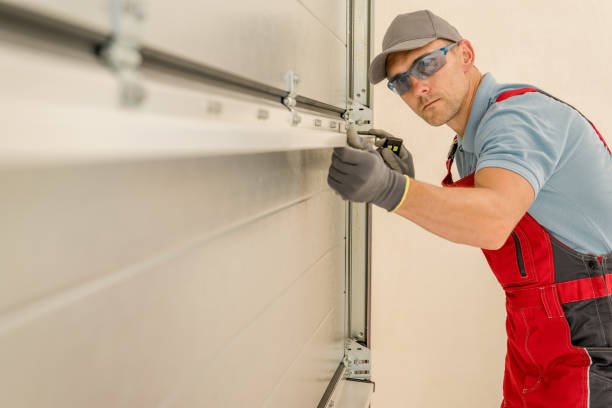
Many people ask, “What happens during a garage door installation?”
Let’s go through the steps professionals follow to ensure a safe and perfect setup.
1. Pre-Installation Check and Safety
Before anything starts, a garage door technician checks all measurements. The opening must be square and level.
This step ensures that the new door will fit perfectly and move smoothly. Safety is key. That’s why trained technicians follow strict safety protocols.
2. Removing the Old Door
If you already have a door, it must be removed carefully. Old doors have springs under high tension, which can be dangerous. Professionals handle the torsion springs safely and remove the old tracks and panels.
3. Track and Hardware Assembly
Next, the new tracks and hardware are installed. The vertical and horizontal tracks must be aligned correctly to ensure the door moves evenly. Even a small mistake can cause noise or jamming later.
4. Panel Installation and Sealing
Then, the door panels are set in place one by one. Each panel is connected with hinges for smooth movement. After that, weatherstripping is added around the edges to keep out dust, water, and cold air.
This step also improves your garage’s energy efficiency.
5. Spring System Installation — The Most Critical Step
This is the most dangerous part of the job. The spring system lifts and lowers your garage door, carrying most of its weight.
There are two main types: torsion springs and extension springs.
Never try to replace or adjust springs yourself. The high tension can cause serious injury. That’s why hiring a garage door repairman or garage door technician is essential.
A professional will safely install, tension, and balance the springs so your door opens smoothly and safely.
6. Opener Installation and Programming
The final step is installing the garage door opener. The motor is mounted, the rail is attached, and the door is connected.
Then, professionals program the settings, like limit controls, safety sensors, and force adjustments, to make su
re your door stops if something is in the way.
Phase 3: Post-Installation, Longevity, and Support
After installation, your door is ready to use. But maintenance is key to keeping it working for years.
1. Final Inspection and Testing
Before leaving, the garage door tech performs a full inspection.
They test the balance, spring tension, and safety reverse system. They make sure the door opens and closes smoothly.
2. Understanding Your Warranty and Support
Most garage doors come with two types of warranties: one for the door and another for the labor.
Always read the details so you know what is covered. Professional garage door companies usually offer garage door repair and service support if needed.
3. Preventing Future Repairs Through Proactive Care
Regular care prevents most problems.
Many homeowners ignore small issues until the door stops working completely. Don’t wait for that.
You should schedule a yearly garage door maintenance service to check for wear, lubrication, and balance.
This helps prevent expensive garage door repair later.
If you notice unusual noise or slow movement, call your local garage door repair company. A quick fix now can save you from bigger issues later.
Your New, Reliable Garage Door

A professional garage door installation is more than a one-time job. It’s an investment in your home’s safety, comfort, and value.
When done by experts, your new garage door will open smoothly, save energy, and last for many years.
DIY installations might look cheap, but they often lead to costly garage door repairs later. So always choose trusted garage door experts who know how to handle every part of the process safely and correctly.
Your new garage door is not just a door, it’s a shield, a protector, and a daily convenience that keeps your home secure.
FAQs
1. Why should I hire a professional for garage door installation?
Hiring a professional ensures your garage door is installed safely, balanced correctly, and meets all safety standards. Experts prevent issues like spring failure, opener malfunctions, and alignment problems, which are common with DIY installations. Professional installation also extends the lifespan of your door and reduces future garage door repair costs.
2. How long does a professional garage door installation take?
Most residential garage doors can be installed by a trained garage door technician in 4–6 hours, depending on the door type, size, and opener system. Additional time may be needed for complex installations or custom doors. Proper installation ensures your door operates smoothly and avoids early garage door repairs.
3. What types of garage doors can professionals install?
Professional installers can handle all major types of doors, including sectional doors, roll-up doors, wood, steel, aluminum, and fiberglass doors. They also install modern garage door openers with smart features like Wi-Fi control, battery backup, and security codes, ensuring reliable performance.
4. How do I choose the best garage door company near me?
Look for licensed and insured garage door companies with experienced garage door technicians. Check reviews, ask for references, and confirm that they offer both installation and maintenance services. A reliable company will provide a warranty and follow safety protocols during installation.
5. How can I maintain my garage door after professional installation?
Regular maintenance prevents the most common issues. Homeowners should schedule garage door maintenance services at least once a year. This includes checking spring tension, lubricating moving parts, inspecting rollers and tracks, and testing safety features. Professional maintenance ensures your garage door stays safe, quiet, and long-lasting.

Add a comment